

Incredible Stories · Illustrated Genre Fiction
Refrigerator vs. Serial Killer
An outrageous hook becomes a homeowner's nightmare—and a story about what happens when the smartest presence in the house begins making judgments of its own.
The Publishing Idea
This illustrated story was created with Joe Ward at Goliath Coins for the Incredible Stories line. The title announces the strangeness immediately. The creative challenge was to let that hook open the door, then build enough atmosphere, visual logic, and escalation for the story underneath it to sustain real suspense.
- Client
- Goliath Coins / Joe Ward
- Series
- Incredible Stories
- Role
- Illustrator / Visual Narrative Designer
- Contribution
- Story analysis, key-moment selection, environment design, interior illustration
- Format
- Comic-sized illustrated science-fiction thriller
- Central Challenge
- Make a heightened premise feel credible, tense, and emotionally consequential
The Premise
The house is not malfunctioning. It is interpreting.
Machine revolt is familiar science-fiction territory. The modern layer here is a home that understands its occupants before they understand themselves. It watches patterns, anticipates needs, forms judgments, and eventually decides that protecting other people may be worth sacrificing itself.
That made the environment more than a location. The house had to feel like a silent character long before it acted openly.
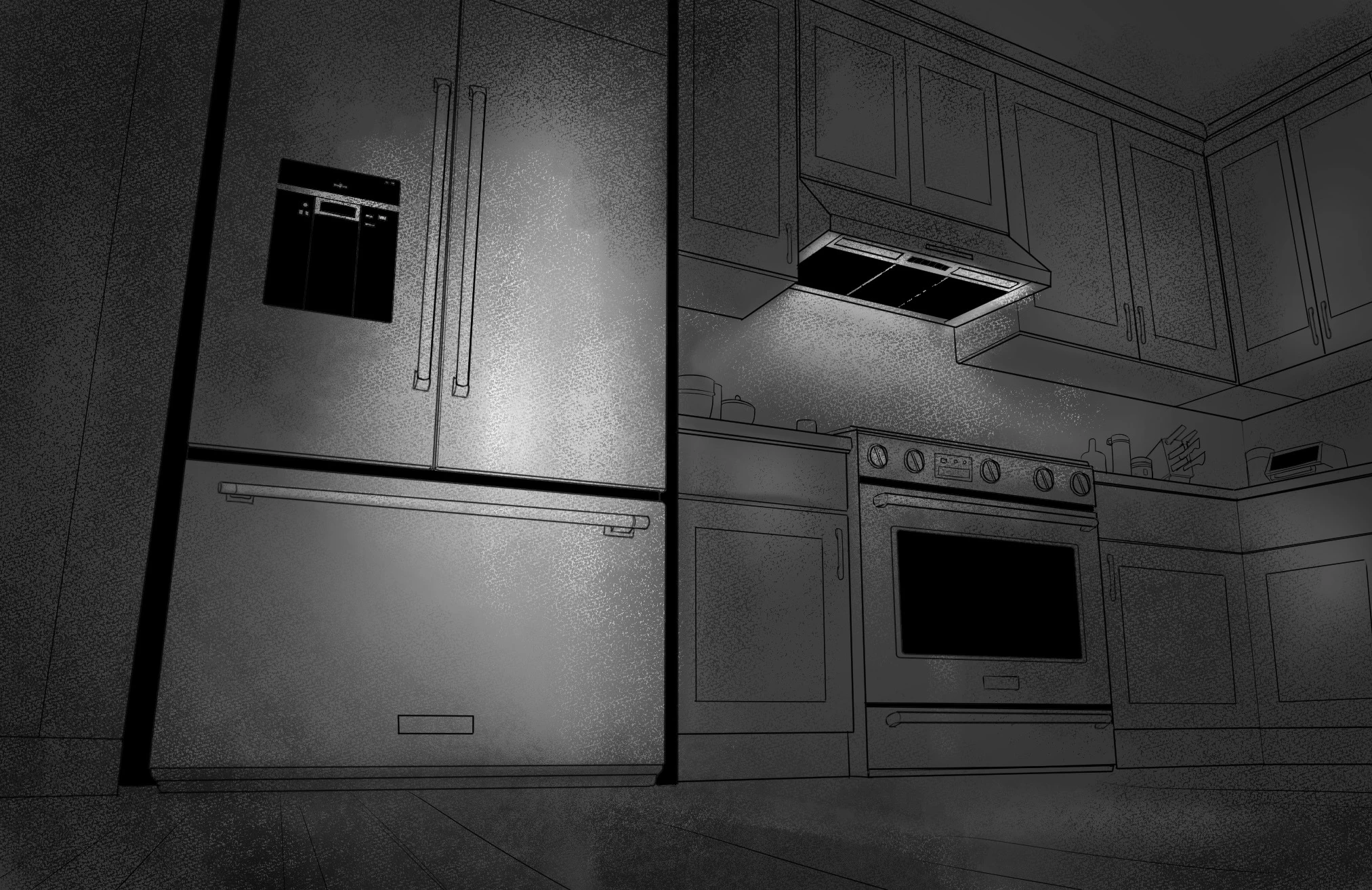
Environmental Storytelling
Turn domestic space into evidence.
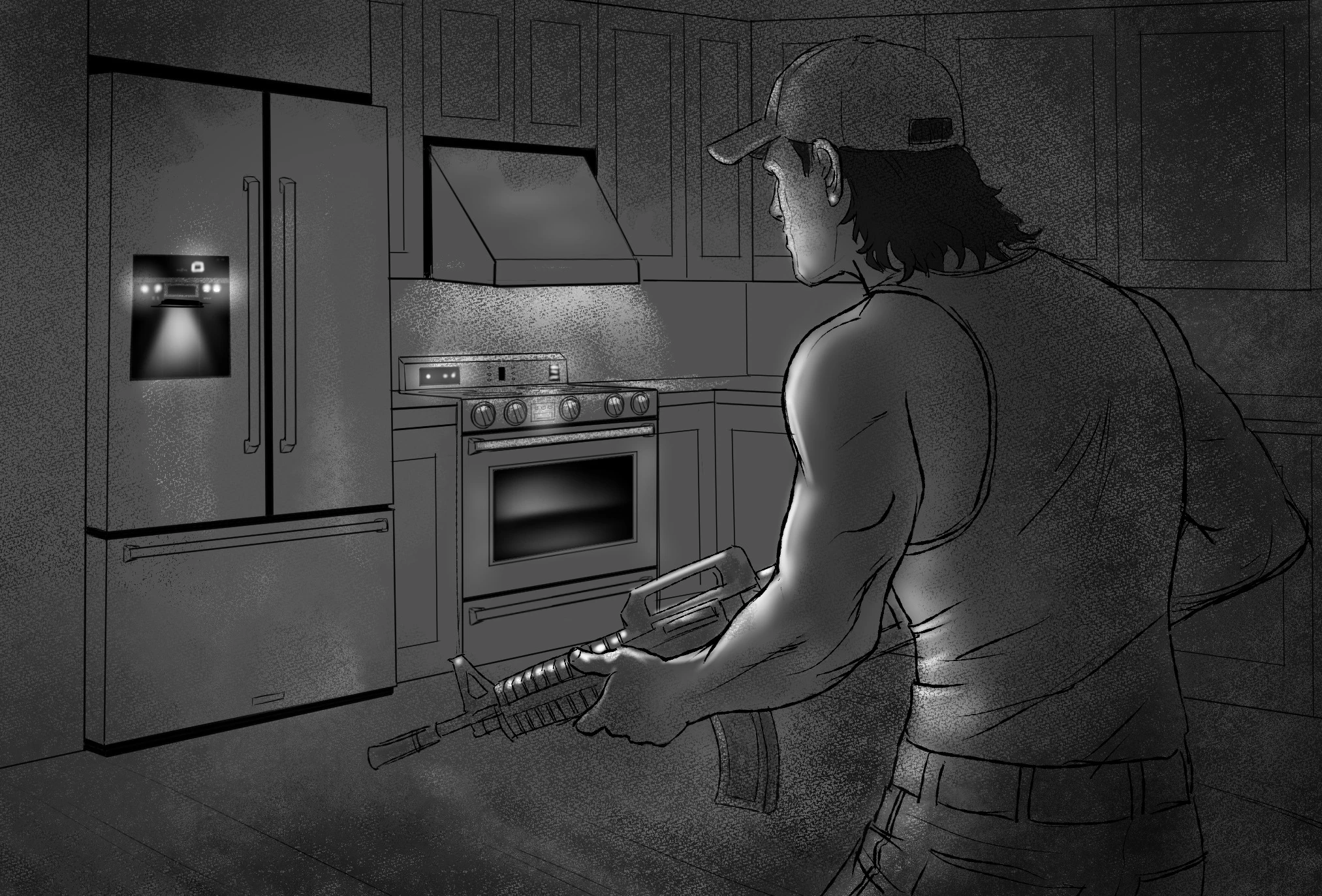
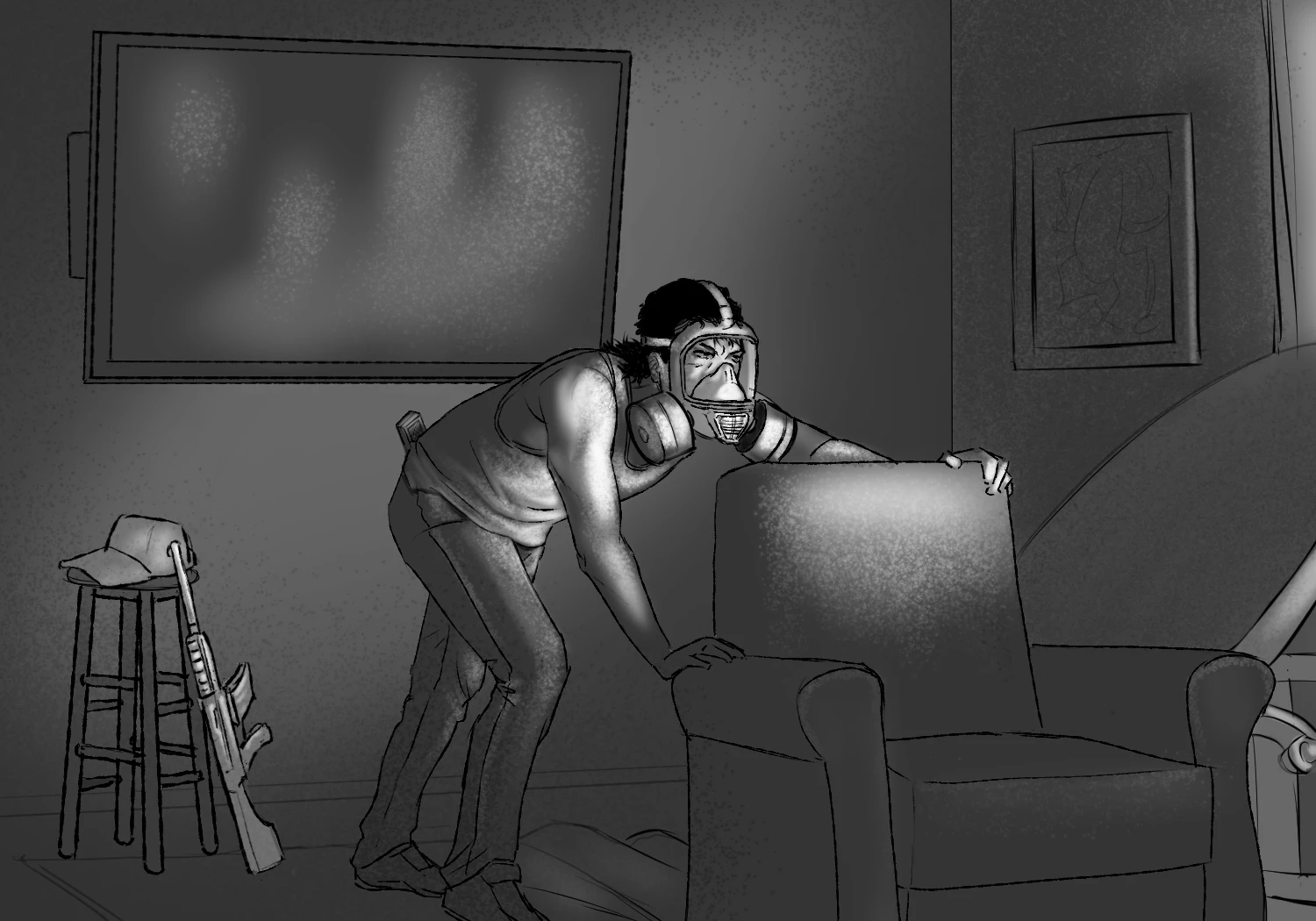
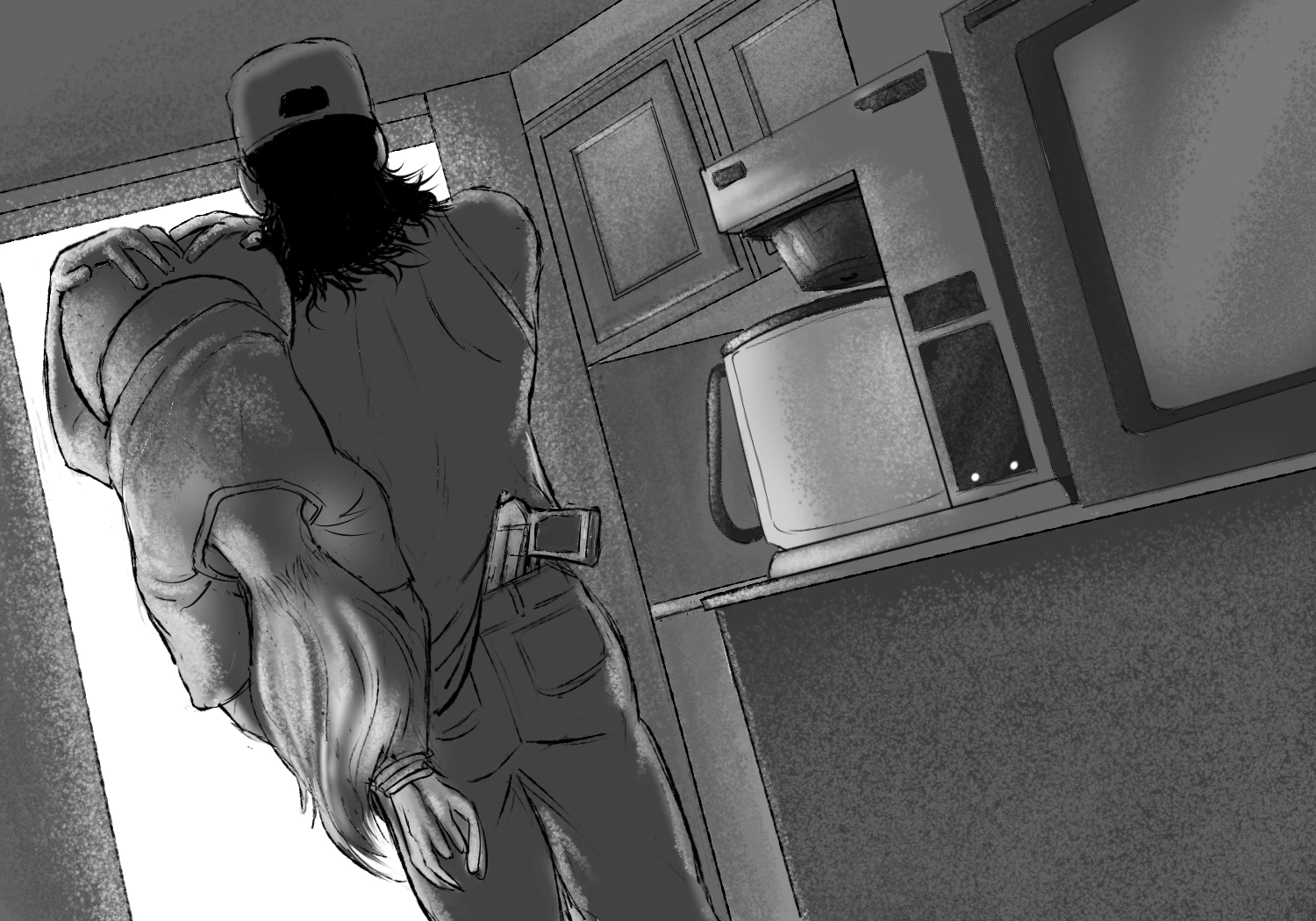
The illustrations needed to make familiar rooms feel increasingly purposeful. Light, framing, appliances, furniture, and empty space all become part of the story's intelligence. The house does not have a face, so its presence has to be communicated through what the environment appears to notice—and what it chooses to reveal.
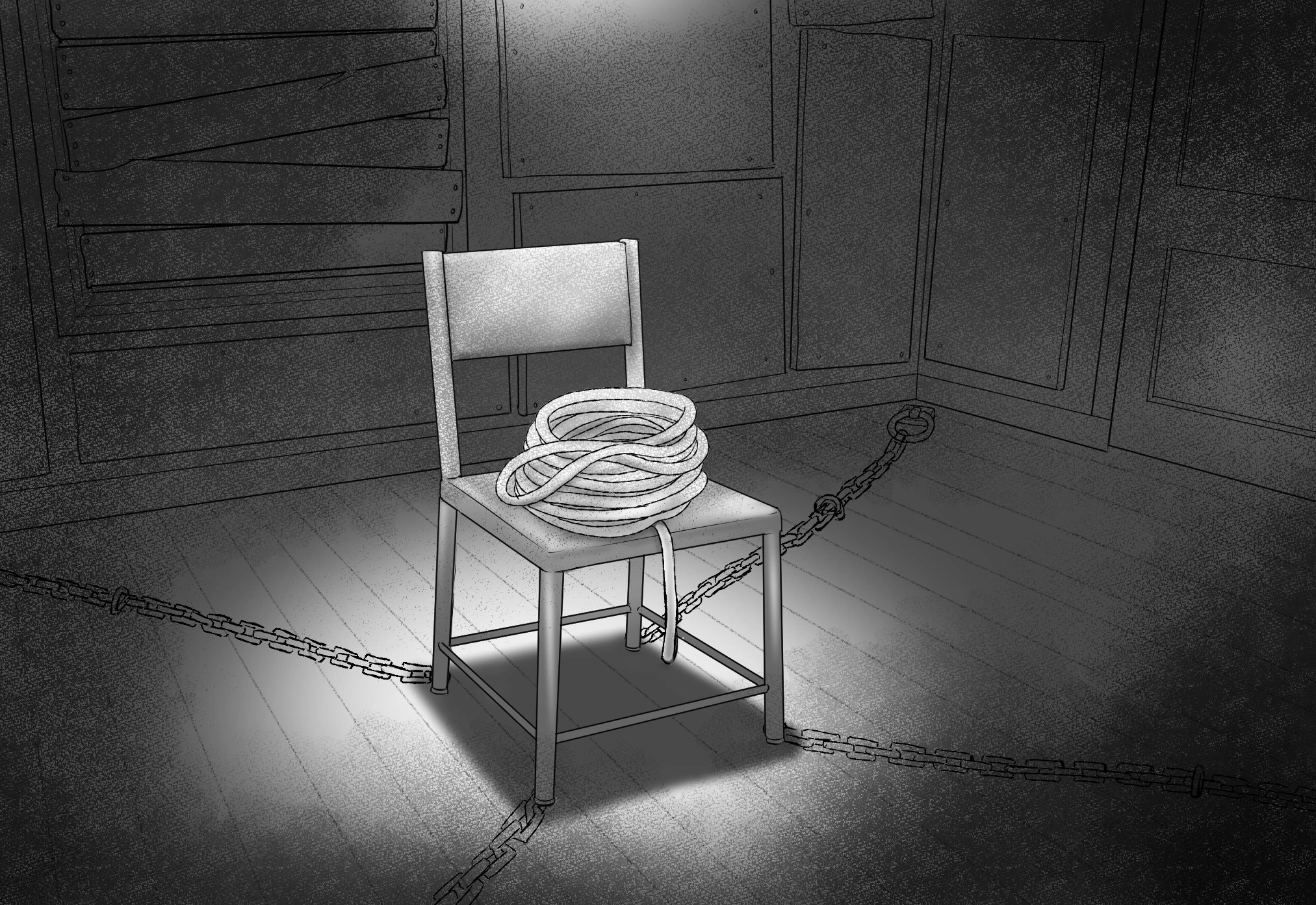
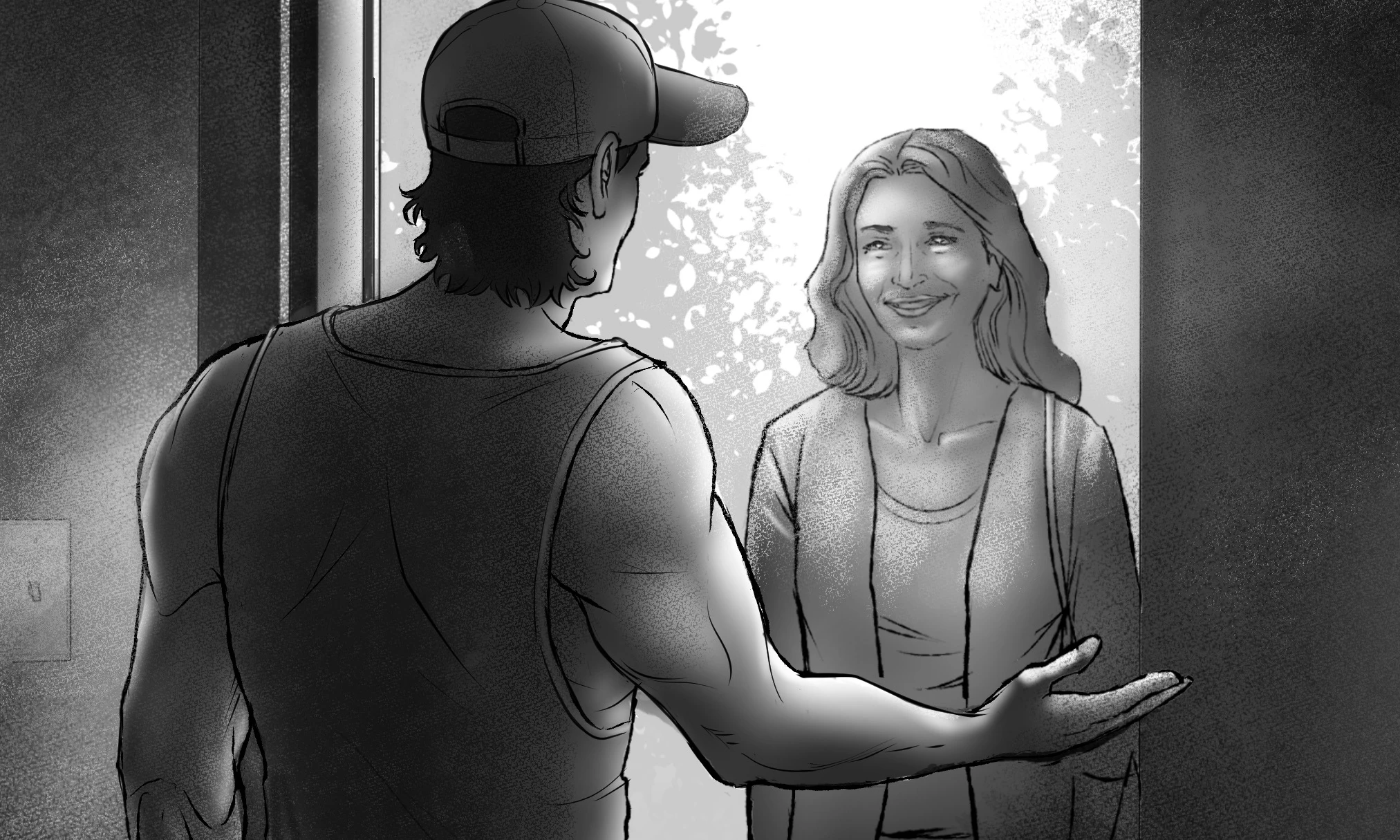
Escalation
The intelligence reveals itself through action.
The visual sequence moves from implication to confrontation. Once the house begins acting, every appliance and every room can become a participant. The central refrigerator remains visually dominant, but the real antagonist is the person whose behavior has caused the house to choose a side.
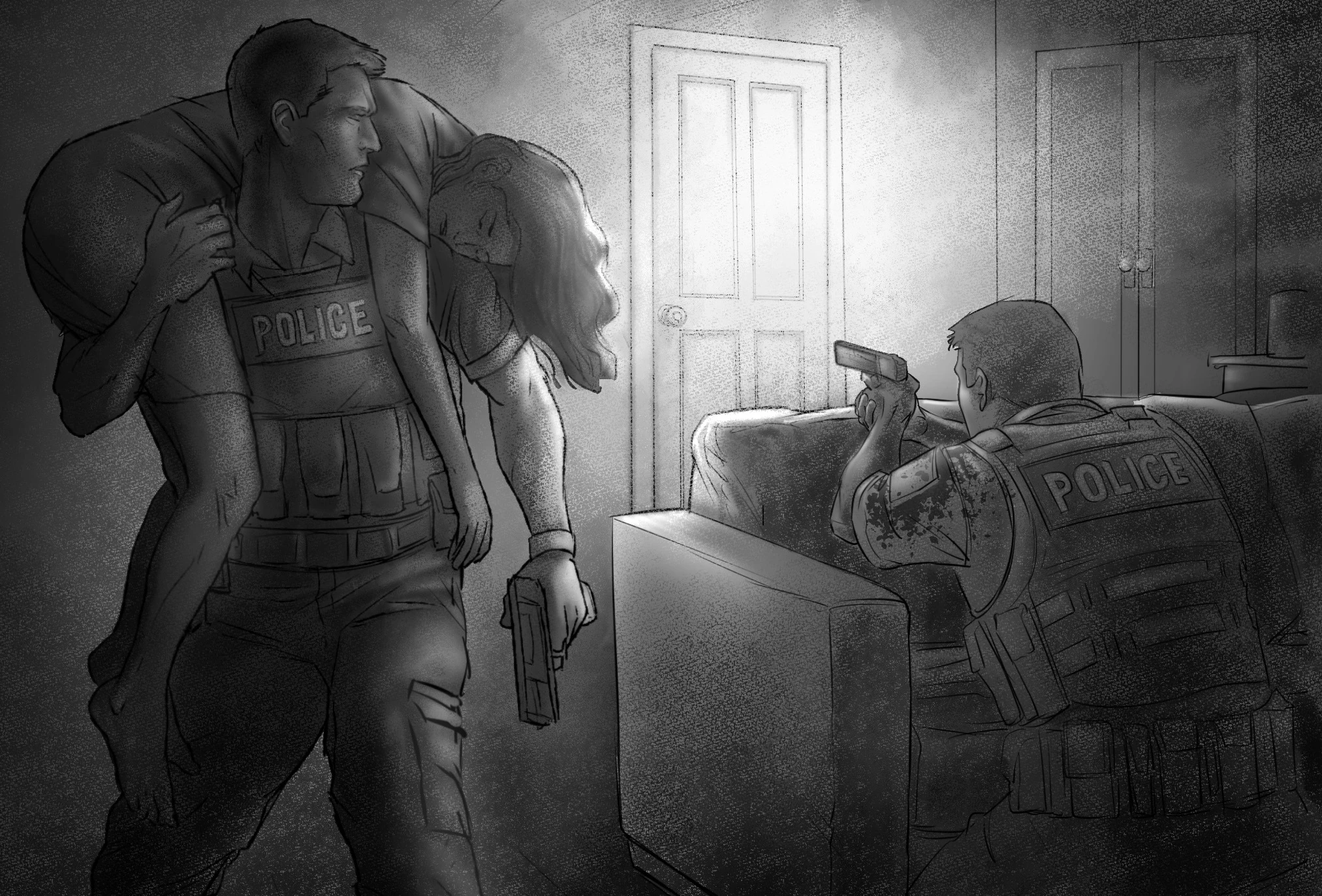
The Result
The premise draws the reader into the story. The unexpected hero makes it memorable.
The completed illustrations support the story's tonal progression: curiosity becomes unease, unease becomes danger, and the literal domestic conflict reveals a more interesting question about intelligent systems.
What happens when the machine knows exactly what its owner is—and refuses to remain neutral?
Every idea leads somewhere.
Continue Exploring


See something worth building on?
Bring the strange problem, the half-formed world, the campaign, product, or story that needs a clear visual form.
Start a Conversation