The Question
What is a monster, really?
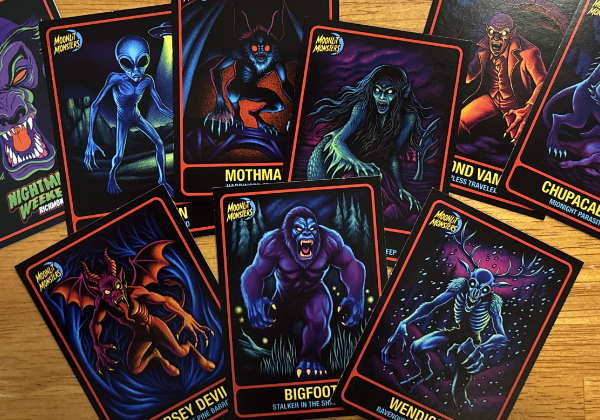
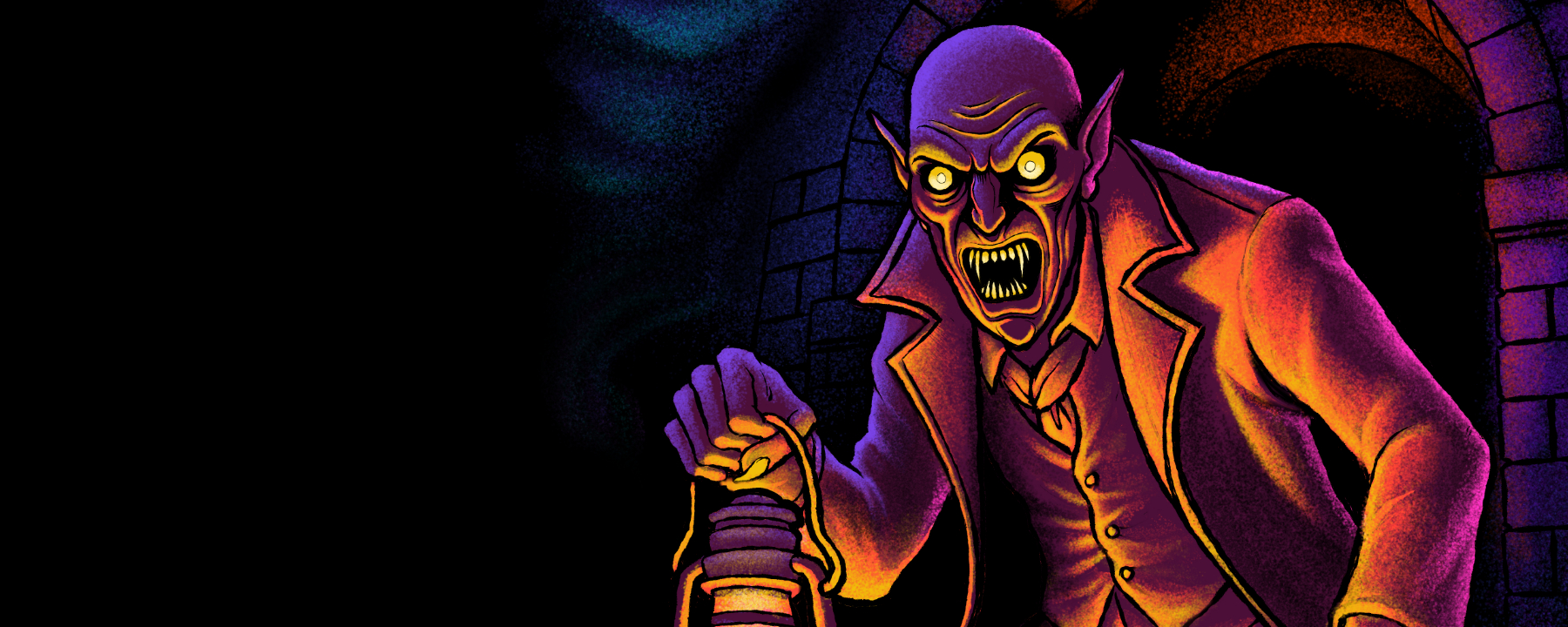
Everyone already knows what a monster looks like until one is standing in the room. The familiar names help — Bigfoot, Mothman, the Jersey Devil, the Richmond Vampire — but recognition is only the first flicker. A silhouette can stop someone for a second. It cannot carry a world by itself.
The real work begins when the creature stops being the subject and becomes the question. What does fear do to a family, a town, a witness, a ranger, a clerk, a sheriff, a scientist, or a child? What gets protected? What gets sacrificed? What story gets told afterward because the truth is too strange, too costly, or too late?
Moonlit Monsters treats the creature as the moment pressure becomes visible. The monster steps into the moonlight, but the human response is where the story lives.
The Turn
The Monsters Break Loose.
Moonlit Monsters began with a practical constraint: build something strong enough to take to a horror convention without pretending there was time to make a full graphic novel. A set of trading cards solved the immediate problem. They were bold, collectible, affordable, and possible to finish.
But the cards also revealed what the project was asking to become. A monster illustration created attention. A card back created context. A set created logic. Packaging created identity. Each decision answered one problem and exposed the next one.
That was the turn. Moonlit Monsters stopped being a collection of cryptid images and became a system for discovering the world around them.
Human Engine
Ordinary people under impossible pressure.
What happens when the impossible intrudes on an ordinary life? Each story is built around people already carrying something: duty, grief, fear, responsibility, denial, ambition, exhaustion, or guilt.
The monster steps into view and ignites the human response. The encounter forces those buried pressures into the open.
That is where the story lives. Some people protect others. Some freeze. Some lie. Some survive, but not without scars.
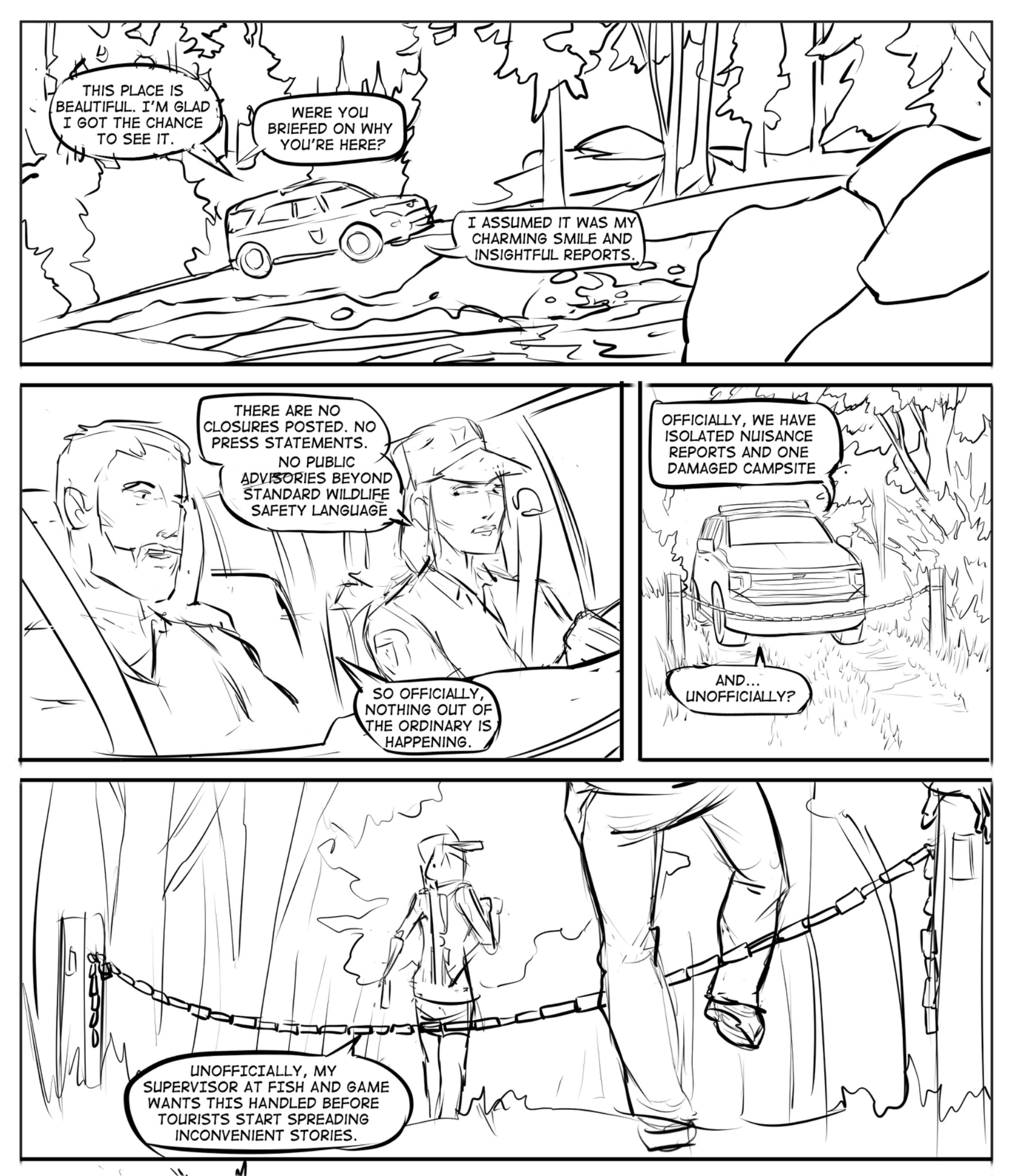
Chaos Revealed the Rules.
Moonlit Monsters did not begin as a complete system. It began with drawings made under pressure, one decision at a time. A monster became a set. A set became cards. Cards needed backs. Backs needed information. Packaging needed a name. The name created a tone. Each solved problem created the next useful constraint.
Those constraints became the language of the world. The rules keep the project from becoming a loose collection of monster products. They give every image, story, card, module, coin, and case file a shared pressure point.
No Monster Speech
The creatures stay outside human explanation. They do not confess motives, deliver lore, judge morals or motives, or make the strange familiar. Their silence keeps the human response at the center.
No Clean Defeat
The stories are not built around conquest. Survival matters more than victory, which keeps the world larger, older, and stranger than the people caught inside it.
Reveal Is Earned
The monster is not thrown at the reader immediately. Each appearance is built through staging, sequence, silence, and escalation so the encounter feels discovered rather than announced.
The World Moves On
The story does not end when the encounter is over. It changes perspective.
Now the administrative, bureaucratic, rational forces reclaim the territory the monster temporarily disrupted. A police report, receipt, unexplained record, sketch, or fragment may be the only trace of the event.
Then it is categorized, filed, and forgotten.
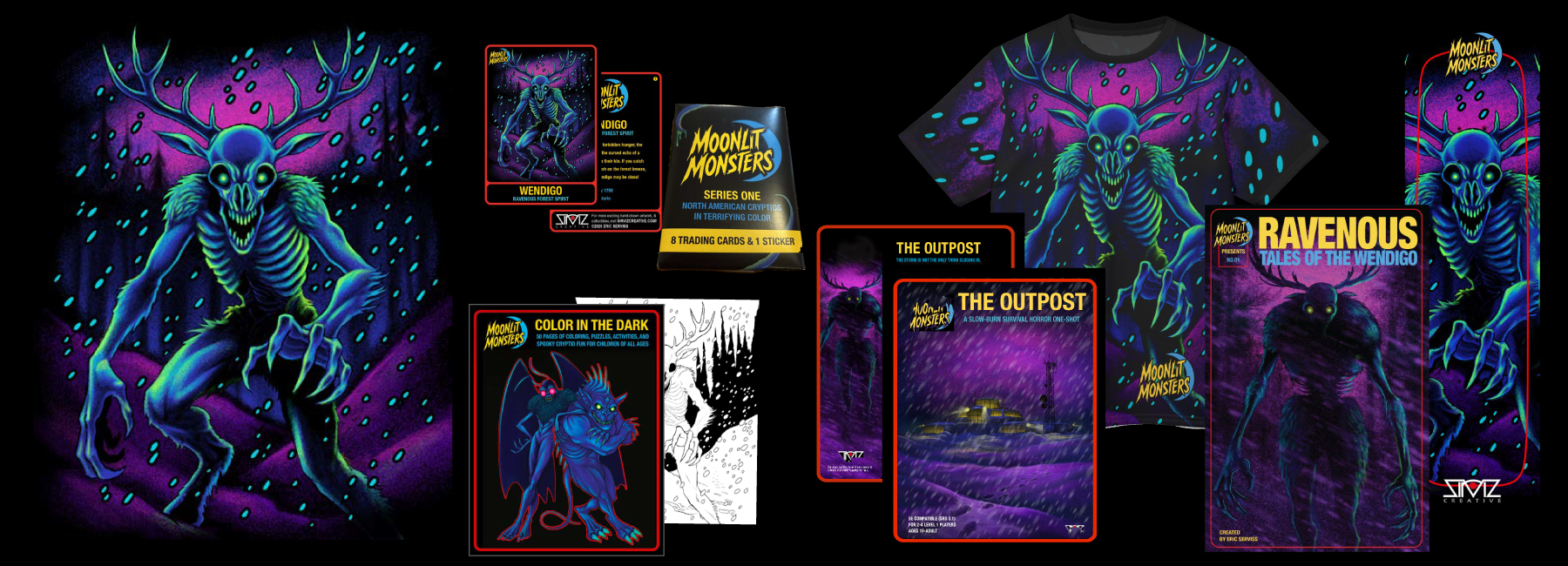
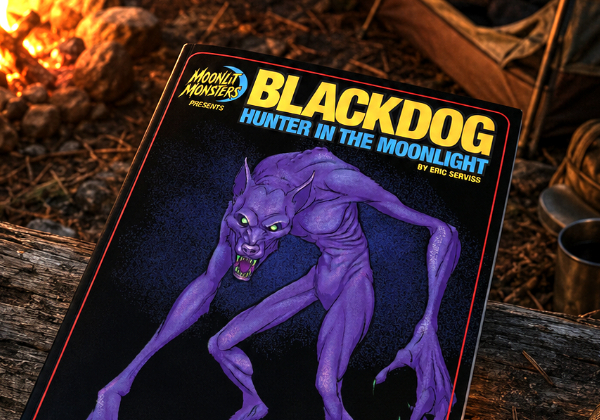
Comics and Chapbooks
Sequential art carries the silence, environment, expression, framing, and tension of the encounter.
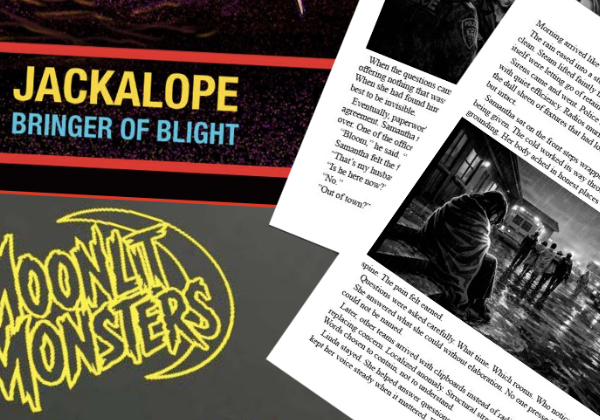
Illustrated Case Files
Reports, records, warnings, and fragments turn the aftermath into part of the storytelling system.
RPG Modules
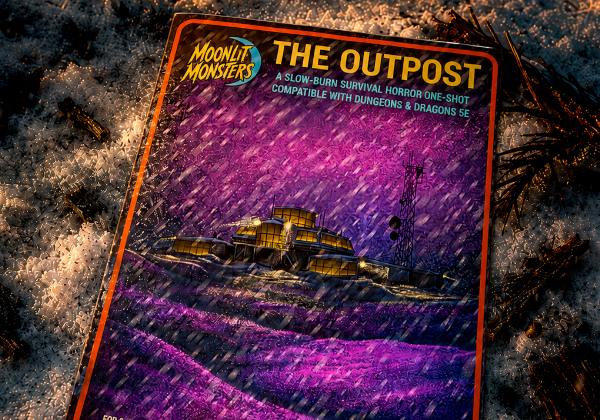
The Outpost and The Galleria let players inhabit the encounter instead of simply hunting the monster.
Trading Cards
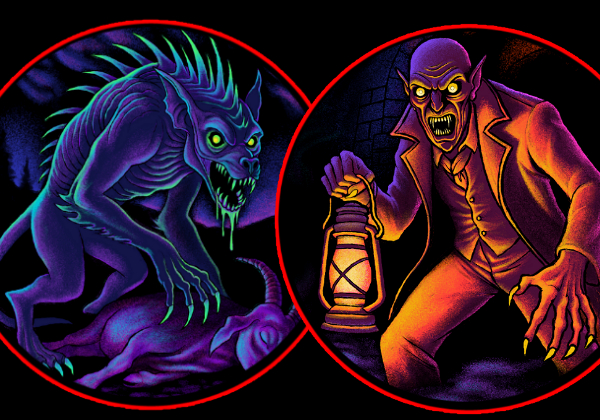
The cards give each creature a collectible visual anchor: bold enough to catch attention, compact enough to invite ownership, and structured enough to suggest a larger set.
Coins and Artifacts
Physical objects turn illustrations into evidence, relics, and keepsakes — things that feel like they came from inside the world rather than beside it.
Full Moon Drops
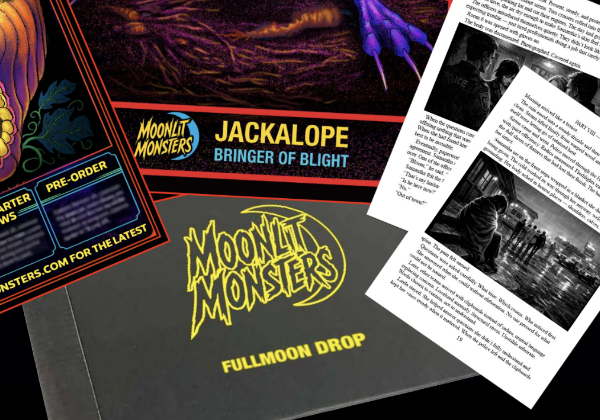
Monthly prints and lore keep the archive alive between larger releases.
Connected Craft
Small decisions make larger worlds.
The strongest visual systems do more than make things match. They give people a way in, then reward them for going deeper. A monster image, card back, comic page, case file, coin, or game module should know what job it is doing and how it connects to the larger experience.
Moonlit Monsters works because the pieces are different on purpose. Illustration creates the first invitation. Story gives the encounter consequence. Rules keep the world coherent. Artifacts widen the frame. Products give the audience something to hold. Games let them step inside.
The result is not a collection of matching merchandise. It is a storyworld with multiple points of entry, each built around the same central tension.
Consistent Visual Language
Creatures, environments, documents, products, and publication objects feel like evidence from the same archive.
Purpose-Built Formats
Each format carries the idea in the way it works best, from immediate visual recognition to slower narrative discovery.
Multiple Ways In
The world gives people different entry points without asking them to understand everything at once.